Plenty of lists promise £2,000 a month from your sofa. The real picture is tighter, and it changes once costs and taxes come out of the total.
Short version: the highest-paid side hustles UK workers run are freelancing and private tutoring. A skill you already sell at work bills at roughly £25 to £60 an hour. Tutoring pays £30 to £50. Reselling and delivery earn less once sourcing and fuel are counted. Pass £1,000 gross in a tax year, and HMRC wants a return. Our related guide, Tax-Free Treasures, goes further into this.
Seven options compared on pay, cost and time to first payment
This is the table we’d have wanted before starting rather than after. Rates are typical gross UK figures advertised on the main platforms and freelance marketplaces during 2026. None of them include your costs.
| Option | Typical gross rate | Cost to start | First payment | How it’s taxed |
|---|---|---|---|---|
| Freelance writing, design or web work | £25 to £60 an hour | £0 to £50 | 2 to 6 weeks | Trading income |
| Private tutoring, GCSE, and A-level | £30 to £50 an hour | £0 to £25 | 1 to 3 weeks | Trading income |
| Reselling on Vinted and eBay | £8 to £20 an hour once sourcing counts | £50 to £200 of stock | Same week | Trading income if you buy to sell |
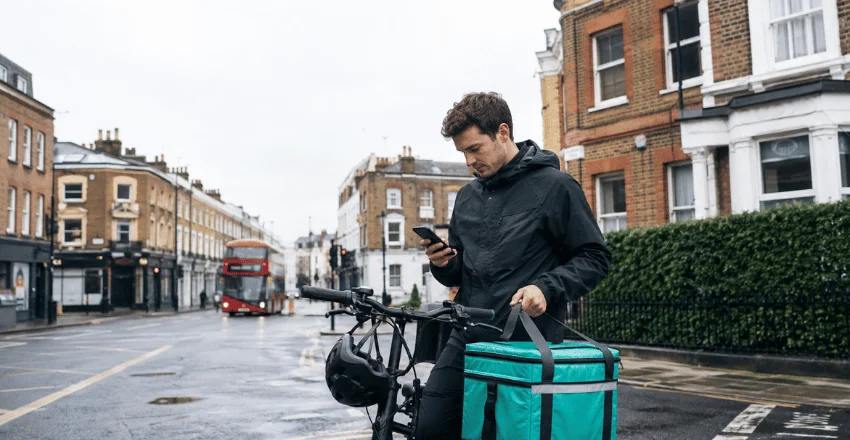
| Delivery driving, Amazon Flex or Deliveroo | £13 to £17 an hour before running costs | Vehicle, fuel, hire and reward cover | 1 to 2 weeks | Trading income |
| Paid research studies, such as Prolific | £9 to £12 an hour | £0 | A few days | Trading income |
| Dog walking and pet sitting | £12 to £18 per walk | Around £60 a year for insurance | 1 to 3 weeks | Trading income |
| Renting a spare room or driveway | £40 to £250 a month | £0 | 2 to 8 weeks | Property income, own allowance |
TL;DR
- Skill beats hours. Freelancing and tutoring pay two to four times what gig work pays.
- The £1,000 trading allowance is measured on gross income, never on profit.
- Cross it, and you must register for self-assessment by 5 October in the following tax year.
- Vinted and eBay hand seller data to HMRC once you pass 30 sales or about £1,700.
- Clearing your own wardrobe is not trading, so it is usually not taxed at all.
- Renting a room or driveway draws on a separate £1,000 property allowance.
Our pick if you only try one thing
Freelance the skill your employer already pays you for. It needs no stock and no van, and the rate is set by what the work is worth rather than by how many hours you can stay awake. If your job doesn’t convert into freelance work, tutor instead. A degree and a subject you enjoyed at A-level are enough to charge £30 an hour, and demand rises sharply from January through to May.
No skill you can sell yet? Start with reselling. It teaches pricing, postage, and margin fast, and you can quit any week without letting a client down.
The three that pay best per hour
Freelancing a skill you already have
Writing, design, bookkeeping, translation, and front-end work all bill by the job in the UK. Newer freelancers tend to land around £25 an hour once you divide the fee by the hours it took. Experienced specialists clear £60. Your first two clients are the hard part, and they almost always come from people who already know your work. Local firms are the other obvious source, so it helps to understand the marketing tactics small businesses rely on before you pitch one.
Good if you have a portfolio, even a thin one. Watch out for unpaid scoping calls and clients who pay 60 days late.
Tutoring GCSE and A-level subjects

Tutoring is the steadiest hourly earner on the list. Rates across the UK sit around £30 to £50, with London and specialist-level maths or sciences at the top. Two evenings a week at £35 comes to roughly £280 a month during term time. Terms are the catch: August is quiet, and you plan for that.
Good if you can explain things patiently and want repeat bookings. Watch out for unpaid prep, which can add half an hour to every session.
Reselling on Vinted and eBay
Reselling looks like the easiest option and pays the least per hour, because sourcing, photographing, listing, and posting all count as work. Car boot sales and charity shops still throw up items that treble in price. Track your hours honestly for a fortnight before you decide it’s working.
Good if you enjoy the hunt and have storage. Watch out for postage errors, which quietly eat the margin on anything under £15.
Starting with no money and no car
Three of the seven need nothing but a phone and some spare evenings:
- Paid research studies. Academic platforms like Prolific pay around £9 to £12 an hour. Payments are small, frequent, and reliable.
- Dog walking. Insurance runs to about £60 a year, and one regular midday client is worth roughly £200 a month.
- Renting out space. A driveway near a station or a hospital lets for £40 to £120 a month, and a spare room far more.
Renting space is the closest thing here to money that arrives without your labor. If that appeals, read how passive income compounds through smarter investing and treat the rent as fuel for it rather than as spending money.
One rule applies to every option: check your employment contract first. Many UK contracts require you to tell your employer about outside work, and a quiet conversation is cheaper than a disciplinary meeting.
What HMRC expects from side hustles UK earners run

This is where most people get caught out, so read it once properly.
HMRC’s guidance on tax-free allowances for trading income sets the trading allowance at £1,000 a tax year. That figure is gross income, meaning everything you were paid before expenses come off. Go over it, and you must register for self-assessment by 5 October in the following tax year. The return itself is due by 31 January.
Sell £1,400 and spend £600 on stock? Your profit is £800, but your gross is £1,400, so you register. Income tax is only half of it. Self-employed profits also attract Class 4 National Insurance once they pass the lower profits limit, and you can pay voluntary Class 2 contributions to protect your state pension record. Your PAYE job keeps its own personal allowance, so the side income is usually taxed at your normal marginal rate.
Platforms report on you too. HMRC’s guidance for sellers on digital platforms is blunt about it. Your details go to HMRC once you make 30 or more sales of goods in a calendar year or receive about £1,700 for them. That covers Vinted, eBay, Etsy, Airbnb, and the delivery apps.
Being reported is not the same as owing tax. Selling the contents of your own loft or wardrobe is not trading, and HMRC says you are unlikely to pay anything on it. Buying stock to sell at a profit is trading, and that is taxed.
Keep a simple spreadsheet of income and receipts from day one. Once takings pass a few hundred pounds a month, decent bookkeeping support saves both time and money at the January deadline.
Your next step
Pick one option from the table, give it four weeks, and log every hour and every pound. If the hourly rate after costs beats overtime at your day job, keep going. If it doesn’t, switch to the next row and try again.
FAQs
£1,000 gross in a tax year, which runs from 6 April to 5 April. Renting out property carries a second £1,000 allowance, so the two do not share a pot.
Not while gross trading income stays at or under £1,000, though you must still keep records. Above that, register for self-assessment.
Yes, once you pass 30 sales or roughly £1,700 in a calendar year. Selling your own used clothes is normally outside the tax rules anyway.
Paid research studies and reselling. Both can put money in your account within a week, though neither pays much per hour.
Usually yes. Check your contract for exclusivity or conflict-of-interest clauses, and keep the work outside your employer’s hours and equipment.
Not at first. Sole trader status suits almost everyone earning under £30,000 on the side, and you can incorporate later if profits justify it.