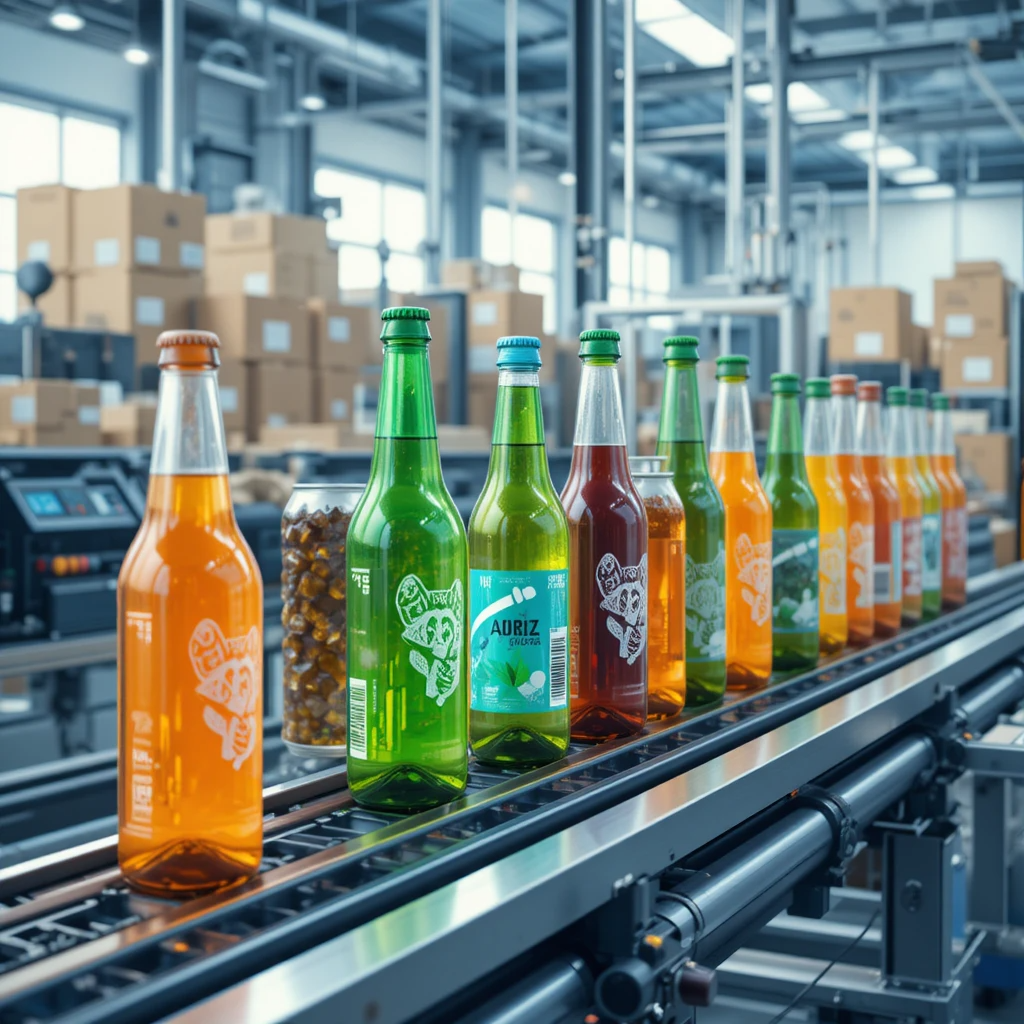
Beverage packaging builds efficiency and brand value when it does three jobs at once: it protects the drink (seal, light and oxygen barrier, carbonation), it moves through filling lines, warehouses and trucks with minimal damage and wasted space, and it tells shoppers what the brand stands for in a split second. Getting all three right lowers cost per unit delivered and raises the chance of a repeat purchase.
Whether you bottle water, juice, soft drinks, beer, coffee or functional beverages, packaging decisions ripple through production, logistics, retail and e-commerce. This guide breaks down the main materials, the role of secondary and transport packaging, design and branding considerations, sustainability, and a practical checklist for choosing a packaging strategy.
Why Beverage Packaging Matters
Liquids are among the hardest products to package. They need airtight seals, stable containment under changing temperatures and protection from light and oxygen, while also surviving stacking, vibration and rough handling across the supply chain.
Professional beverage packaging protects against leaks, contamination and spoilage, and helps preserve carbonation, flavor and shelf life. When packaging performs, companies cut product loss, reduce returns and keep retailers and customers happy.
Packaging also drives buying decisions. On a crowded shelf or a product listing page, the container and label are often the first and only chance to communicate quality, flavor and personality.
Primary Packaging Materials Compared
The container that touches the drink is the primary package. Each material has trade-offs, and the best choice depends on the beverage, the price point, the channel and the brand.
| Material | Strengths | Limitations | Common uses |
|---|---|---|---|
| PET plastic | Lightweight, shatter-resistant, low cost, resealable | Weaker oxygen barrier than glass or metal; perception issues around plastic waste | Water, soft drinks, juices, sports drinks |
| Glass | Excellent barrier, premium feel, inert, reusable or recyclable | Heavy, fragile, higher freight costs | Craft beer, spirits, premium juices, kombucha |
| Aluminum cans | Blocks light and oxygen, light, chills quickly, highly recyclable | Not resealable in standard formats; lining and minimum-order considerations | Soda, beer, energy drinks, sparkling water, ready-to-drink cocktails |
| Cartons | Lightweight, good for shelf-stable and chilled products, efficient cube shape | Harder to recycle in some areas; limited premium perception | Milk, plant-based drinks, juices, boxed water |
| Flexible pouches | Minimal material, low shipping weight, novel formats | Limited carbonation tolerance; less rigid on shelf | Kids’ drinks, smoothies, refill packs |
The Role of Secondary and Transport Packaging
Primary packaging holds the drink; secondary and transport packaging get it to the customer intact. This layer includes corrugated cases, trays, multipack carriers, shrink wrap, dividers and pallet stretch film.
Corrugated boxes are the backbone of beverage shipping, providing stacking strength, cushioning and organization. Custom dividers and inserts prevent bottles from knocking together, which matters most for glass. At the pallet level, stretch film, corner boards and tier sheets keep loads stable through transport. For bulk handling and distribution, this is where industrial packaging becomes essential, giving loads the structural integrity they need from the filling line to the retailer’s dock.
E-commerce adds its own demands. Single-unit or small-pack shipments face more drops and handling than pallet loads, so they often need molded pulp or corrugated inserts and clearly marked orientation.
Packaging Design and Brand Value
Packaging is one of the most visible marketing assets a beverage brand owns. Good design does several things at once:
- Signals the category and flavor instantly through color, shape and imagery, so shoppers find what they want quickly.
- Communicates positioning: clear bottles suggest purity, matte cans feel modern, heavy glass feels premium.
- Stays consistent across sizes and channels so the brand is recognizable on shelf, in a cooler and in an online thumbnail.
- Carries required information clearly, including ingredients, nutrition facts, allergens and recycling instructions, without cluttering the front panel.
- Improves the user experience with easy-open caps, resealable closures, comfortable grip and pour control.
Test designs where they will actually be seen. A label that looks great on a large screen can disappear on a dimly lit shelf or shrink into an unreadable product image on mobile.
Sustainability in Beverage Packaging
Consumers, retailers and regulators increasingly expect beverage brands to reduce packaging waste. Practical levers include:
- Choosing widely recycled materials such as aluminum, PET and corrugated board.
- Adding recycled content where food-contact rules and supply allow.
- Lightweighting bottles and cans to reduce material use and freight emissions.
- Right-sizing secondary packaging to eliminate empty space and excess filler.
- Using clear on-pack recycling instructions so packaging actually gets recycled.
Requirements such as deposit return schemes and extended producer responsibility rules vary by state and country, so check the rules in every market you sell in. An experienced Orange County packaging provider or a similar regional partner can help align packaging choices with local regulations and customer expectations.
Improving Efficiency With Smarter Packaging
Packaging must work smoothly with filling lines, warehouses and transport. Small changes can deliver big savings:
- Standardize sizes across product lines to simplify inventory, line changeovers and case packing.
- Optimize pallet patterns so more units fit per pallet and per truck, cutting freight cost per unit.
- Automate where volume justifies it, using case erectors, packers and stretch wrappers for faster, more consistent output.
- Use vendor-managed inventory so packaging materials are always available without overstocking.
- Track damage rates by product, route and customer to find weak points in your packaging system.
How to Choose the Right Packaging Strategy
Work through these factors before you commit to a format or supplier:
- Product needs: carbonation, acidity, light sensitivity, temperature range and target shelf life.
- Distribution: distance, number of handling points, climate and whether you ship pallets, cases or single units.
- Channel: grocery, convenience, on-premise, club stores and direct-to-consumer each favor different pack sizes.
- Brand positioning: premium, value, eco-focused or mass-market.
- Total cost: material, filling, freight, damage, storage and end-of-life fees, not just the unit price of the container.
- Supplier capability: design support, testing, minimum order quantities, lead times and capacity to scale.
Run small pilots and transit tests before full rollout. Shipping sample loads through your real distribution network is the most reliable way to catch weaknesses.
Common Beverage Packaging Mistakes
- Choosing a container on looks alone without testing barrier performance and shelf life.
- Under-specifying corrugated cases, leading to crushed bottom tiers in storage.
- Designing labels that do not fit filling-line tolerances.
- Ignoring e-commerce shipping, then facing high breakage on direct orders.
- Making sustainability claims that local recycling systems cannot back up.
The Future of Beverage Packaging
Expect continued work on lighter containers, higher recycled content, refill and reuse models, and better traceability through codes printed on packs. Smart labels that link to product information or provenance data are becoming more common. Efficiency and sustainability will stay at the center of packaging decisions as brands try to protect margins while meeting shopper and regulatory expectations.
Frequently Asked Questions
What is the most common beverage packaging material?
PET plastic bottles and aluminum cans are among the most widely used formats for soft drinks, water and many ready-to-drink beverages. Glass and cartons remain common for premium, dairy and shelf-stable products.
What is the difference between primary and secondary beverage packaging?
Primary packaging is the container that holds the drink, such as a bottle, can or carton. Secondary packaging groups and protects those containers, for example corrugated cases, multipack carriers and shrink wrap.
How can beverage packaging reduce shipping costs?
Lighter containers, right-sized cases and optimized pallet patterns let you ship more product per truck and lower freight cost per unit. Better protection also cuts the cost of damaged and returned goods.
Which beverage packaging is most sustainable?
It depends on the product, local recycling systems and transport distances. Aluminum and PET with high recycled content are widely recycled, while lightweight and refillable formats can reduce impact further.
How does packaging build brand value?
Consistent, distinctive design helps shoppers recognize and trust a brand, and functional features such as resealable closures improve the experience. Over time, that recognition supports repeat purchases and premium pricing.
Bottom Line
The best beverage packaging balances protection, efficiency and brand appeal rather than optimizing for just one. Start by listing your product’s technical needs and your main distribution channels, compare materials on total delivered cost, test packaging through your real supply chain, and work with a supplier that can support design, sustainability and scale as your brand grows.