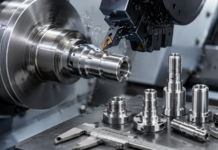
Choosing the right industrial milling media is the foundation of efficient milling. Media type, size, and material affect speed, cost, and product quality.
How to build a reliable Industrial Milling Media
Set the right size ladder
Pack from coarse to fine. The bottom layer should be your largest bead that still supports even flow. Middle layers handle transition and fine screening. The top guard under the catalyst should be small enough to stop migration but large enough to prevent excessive pressure rise. Verify with a simple sieve analysis and a pressure drop test in a short column. Tumbling media serve finishing and polishing needs. It reduces surface defects and creates uniform results across batches.
Balance hardness and toughness
Hardness resists wear. Toughness resists cracking. You want both. Alumina and steel offer strong combinations. Glass suits milder services and pressures. Ask vendors for crush strength data, thermal shock tests, and attrition rates under your temperature range. Numbers beat guesses and help you forecast cycle life. For the full picture, read How Precision CNC Swiss Machining Services Drive Efficiency in High-Volume Component Production.
Check chemistry and cleanliness
Media can poison catalysts if it leaches ions. Confirm composition certificates and wash the media until the rinse water shows low conductivity and no visible fines. Dry completely before loading to avoid steam pops during heat-up. Clean starts prevent early pressure spikes and protect activity.
Control loading and bed height
Use calibrated scoops and layer-by-layer measurements. Level each lift with gentle raking. Avoid dropping bags from a height that fractures beads. Track bed height and settled height after a brief vibration or light tap. Consistency across vessels reduces performance drift between trains.
Plan for inspection and change-outs
Record delta P at defined flow rates and inlet temperature. Log the start of run values and compare weekly. When you see a non-linear rise, plan a controlled shutdown to inspect the guard layers. Replace only what is spent
if the base remains intact. Targeted swaps cut downtime and save costs. Grinding media is evaluated by density and shape. Different industries require unique specifications to ensure accurate milling results.
Test before the full run
Build a small test column with the same fluid and temperatures if possible. Measure pressure drop, flow distribution, and fines capture. Adjust layer thickness or bead size based on the curve you see. A short pilot saves a long outage later.
Safety and handling
Wear eye and hand protection. Use lifts and chutes to reduce manual strain. Sweep beads immediately to prevent slips. Store media in a dry space away from corrosives. Good housekeeping keeps your people safe and your media clean.
A strong catalyst bed requires precision. The right media supports chemical reactions and maintains flow while resisting breakdown.
Matching Media To Applications
Every material has unique needs. From food to minerals, selecting the right media ensures smoother production and lower long-term costs. Stainless steel tumbling media is valued for durability and consistency. It handles repeated use and maintains high-quality output over time.
Conclusion
Testing Before Full Runs is important, and it shows how different media perform. Testing prevents costly mistakes and improves efficiency.