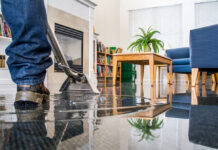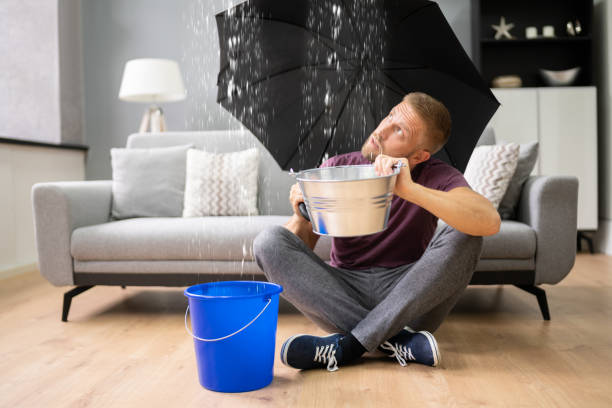
Water damage is one of the most common and costly issues homeowners face. Whether it’s a burst pipe, a leaky roof, or flooding from a storm, water damage can lead to significant repairs and expenses. But does insurance cover water damage? The answer depends on several factors, including the type of policy you have, the cause of the damage, and the specific exclusions in your coverage. Let’s discuss the details so you can better understand what your insurance covers and how to protect yourself financially.
Understanding the Basics of Water Damage Coverage
Homeowners insurance typically covers certain types of water damage but excludes others. Policies generally divide water damage into two categories:
- Sudden and Accidental Water Damage – Most standard homeowners insurance policies cover water damage that is sudden and unintentional. Examples include:
- Burst pipes
- Overflow from appliances like washing machines or dishwashers
- Water heater leaks
- Rainwater damage from a sudden storm (if the roof was intact before the storm)
- Gradual Water Damage – Insurance usually does not cover water damage that results from negligence or lack of maintenance. This includes:
- Slow leaks from pipes over time
- Mold and mildew buildup due to poor ventilation
- Roof leaks caused by lack of maintenance
- Foundation seepage
Understanding the distinction between these two types of damage is crucial when filing a claim.
What Types of Water Damage Are Covered?
Most standard homeowners insurance policies provide coverage for water damage under specific conditions. Here are some common situations where insurance typically applies:
1. Plumbing Failures
If a pipe bursts and causes water damage to your home, your insurance will likely cover the cost of repairs, including water removal, drying, and restoration of affected areas. However, if the pipe was leaking for months and caused mold growth, the claim may be denied due to neglect.
2. Storm-Related Water Damage
If rainwater enters your home due to a damaged roof caused by a covered peril (such as high winds or hail), your insurance should cover the repairs. However, if the roof was in poor condition before the storm, your claim may be denied.
3. Accidental Overflow and Discharge
Water damage caused by overflowing sinks, bathtubs, or appliances is usually covered if it happens suddenly and not due to poor maintenance.
4. Fire-Related Water Damage
If firefighters use water to extinguish a fire in your home, any resulting water damage is covered under your homeowners policy.
What Water Damage Is NOT Covered by Insurance?
While insurance does provide protection against some types of water damage, there are certain situations where your claim will likely be denied. These include:
1. Flood Damage
Standard homeowners insurance does not cover flood damage. If your home is in a flood-prone area, you may need to purchase separate flood insurance through the National Flood Insurance Program (NFIP) or a private insurer.
2. Sewer and Drain Backup
Water damage resulting from sewer backups or clogged drains is typically not covered unless you have an add-on sewer backup endorsement in your policy.
3. Neglect and Lack of Maintenance
If your insurance company determines that the water damage was due to poor maintenance (e.g., an old, leaking roof or failing plumbing system), they may deny your claim.
4. Gradual Leaks and Mold Damage
Slow, unnoticed leaks that cause mold and rot over time are generally not covered. Homeowners are expected to maintain their homes and address small issues before they become major problems.
How to File a Water Damage Insurance Claim
If you experience water damage, following the correct procedure can increase the likelihood of a successful claim. Here’s what you should do:
1. Document the Damage
Take photos and videos of the affected areas before making any repairs. This evidence will be crucial for your insurance claim.
2. Stop the Source of Water
If possible, turn off the water supply to prevent further damage. If the leak is from a plumbing issue, call a professional immediately.
3. Contact Your Insurance Company
Notify your insurance provider as soon as possible. They will guide you through the claim process and may send an adjuster to inspect the damage.
4. Mitigate Further Damage
Your policy requires you to take reasonable steps to prevent further damage. This might include drying the area, removing wet furniture, or using fans and dehumidifiers.
5. Work with Contractors and Adjusters
Your insurer may recommend approved contractors to assess and repair the damage. If you hire your own contractor, ensure they document all repairs for insurance purposes.
Tips to Prevent Water Damage in Your Home
Since some water damage is not covered by insurance, taking preventive measures can save you from costly repairs. Here are a few steps to minimize risk:
- Inspect your plumbing regularly – Check pipes for leaks and signs of corrosion.
- Maintain your roof and gutters – Clean gutters regularly to prevent water buildup and inspect your roof for damage.
- Install water detection devices – Leak sensors can alert you to moisture buildup before it becomes a major issue.
- Know your home’s water shutoff valve – Turning off the water supply quickly can prevent extensive damage.
- Consider adding flood insurance – If you live in a flood-prone area, purchasing flood coverage can be a smart investment.
Conclusion
Water damage insurance coverage depends on the cause and circumstances surrounding the incident. While most homeowners insurance policies cover sudden and accidental water damage, they do not cover flood damage, sewer backups, or gradual leaks due to neglect. Understanding your policy’s limits and taking preventive measures can help protect your home and finances. Have you reviewed your homeowners insurance policy recently? Let’s discuss how you can ensure you have the right coverage in place!