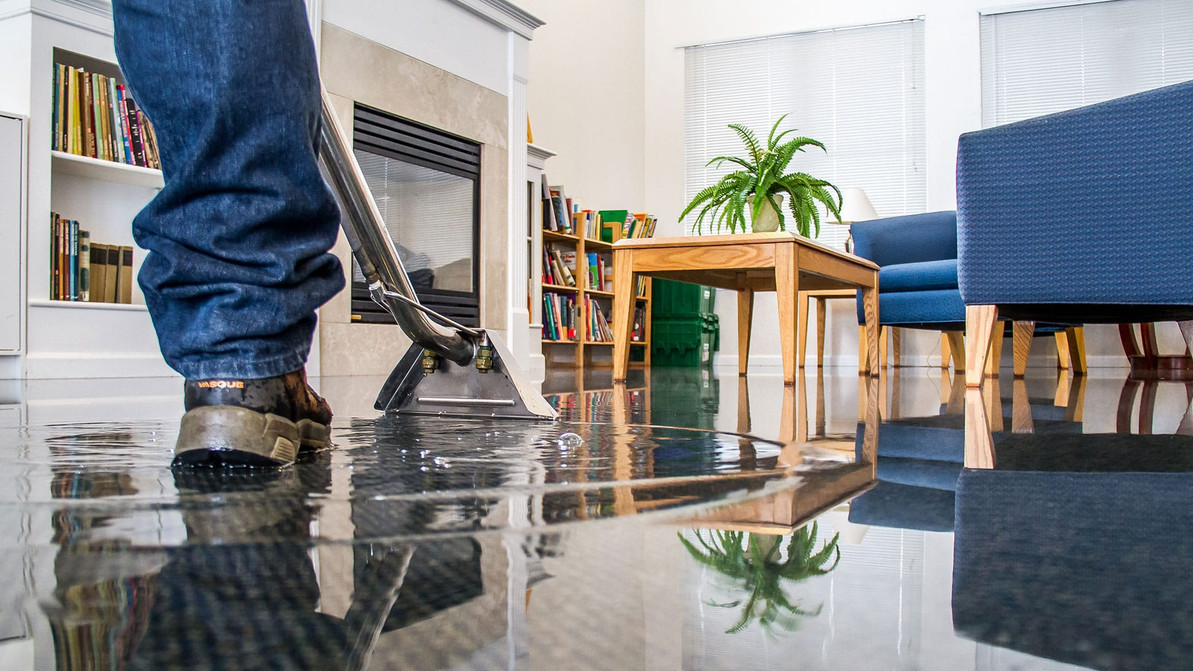
Water damage can be a devastating and costly issue for homeowners and business owners alike. Whether caused by burst pipes, severe storms, or plumbing failures, water damage can lead to extensive repairs and financial burdens. Many people rely on their insurance policies for protection, but does insurance actually cover water damage? The answer depends on the type of policy, the cause of the damage, and specific exclusions within the coverage. Let’s discuss what homeowners and businesses need to know about water damage insurance coverage. For the full picture, read Why Wildlife in Your Home Can Lead to Long-Term Damage?.
Understanding Water Damage Insurance Coverage
Insurance coverage for water damage is often complex, as different policies cover different types of damage. Generally, water damage falls into three main categories:
- Sudden and Accidental Water Damage – Typically covered under standard homeowner’s or commercial property insurance policies.
- Gradual Water Damage – Usually not covered, as insurers view this as a maintenance issue.
- Flood Damage – Requires separate flood insurance, as most standard policies exclude it.
Knowing which category your damage falls into is essential to understanding whether your policy will cover the costs. If you’re wondering, does insurance cover water damage in your specific situation? Reviewing your policy details and exclusions is the best way to determine your coverage.
What Homeowners’ Insurance Covers
A standard homeowner’s insurance policy (HO-3 policy) usually covers sudden and accidental water damage, including:
- Burst pipes
- Overflow from appliances such as washing machines or dishwashers
- Accidental leaks from plumbing, heating, or air conditioning systems
- Water damage from fire suppression efforts (e.g., after a house fire)
However, these policies do not cover damage caused by:
- Floods (requires separate flood insurance)
- Sewer or drain backups (unless you have additional coverage)
- Long-term leaks or mold resulting from neglect
- Foundation or structural damage due to gradual water seepage
Additional Coverage Options for Homeowners
Homeowners can purchase additional endorsements or riders to enhance their water damage coverage. Some common options include:
- Sewer Backup Coverage – Covers damage from sewer or drain backups.
- Flood Insurance – Offered through the National Flood Insurance Program (NFIP) or private insurers.
- Mold Coverage – Some policies limit mold damage claims, but additional coverage can be purchased.
What Business Insurance Covers
Commercial property insurance policies generally cover sudden and accidental water damage similar to homeowner’s insurance. Businesses can also add extra protection based on their needs, such as:
- Business Interruption Insurance – Covers lost income if water damage forces the business to close temporarily.
- Equipment Breakdown Coverage – Protects against water damage to essential equipment.
- Flood Insurance – Required for businesses in high-risk flood zones.
Business owners should carefully review their policies and consider additional riders to ensure full protection.
Does Renter’s Insurance Cover Water Damage?
Renter’s insurance typically covers personal belongings damaged by sudden and accidental water incidents, but it does not cover damage to the rental property itself—that’s the landlord’s responsibility. Renters should check their policy for exclusions and consider adding coverage for specific risks like sewer backups.
How to File a Water Damage Insurance Claim
If your property experiences water damage, follow these steps to file a claim effectively:
- Document the Damage – Take photos and videos of the affected areas before cleaning up.
- Prevent Further Damage – Take immediate steps to stop the water source and protect valuables.
- Contact Your Insurance Provider – Report the claim as soon as possible and provide necessary details.
- Schedule an Inspection – The insurance company will send an adjuster to assess the damage.
- Review Your Policy – Understand your deductible, coverage limits, and any exclusions.
- Keep All Receipts – Save receipts for repairs, hotel stays, and other related expenses.
Preventing Water Damage to Lower Insurance Risks
Taking proactive measures can help homeowners and businesses avoid water damage and potential insurance claim denials:
- Regularly inspect plumbing and appliances for leaks
- Maintain gutters and downspouts to prevent water buildup
- Install water leak detection systems
- Ensure proper grading around the building to direct water away
- Consider installing a sump pump in flood-prone areas
Conclusion
While insurance can provide financial relief for water damage, coverage depends on the type of policy and the cause of damage. Homeowners and businesses should carefully review their policies, consider additional endorsements, and take preventive measures to minimize risks. Have you reviewed your insurance coverage recently? Let’s discuss how to ensure you have the right protection in place! More from us: Fulfillment Definition.
Apart from that if you want to know about Does Insurance Cover Water Damage then please visit our Insurance Category.
For more information on managing commercial campaigns that can help scale your business profitably, check out our article How Commercial CPC Campaign Management Helps You Scale Profitably.