In the world of financial trading, Contracts for Difference (CFD) have emerged as a popular instrument, especially for traders seeking to speculate on global markets. CFD trading offers opportunities to trade on various asset classes, including stocks, commodities, indices, and currencies. Among these, currency trading in CFDs stands out due to the global interconnectedness of forex markets. However, understanding currency fluctuations is crucial for traders who want to make informed decisions and mitigate risks. This article aims to provide a comprehensive understanding of how currency fluctuations impact CFD trading, what factors contribute to these fluctuations, and how traders can develop strategies to leverage or protect themselves from them.
What is CFD Trading?
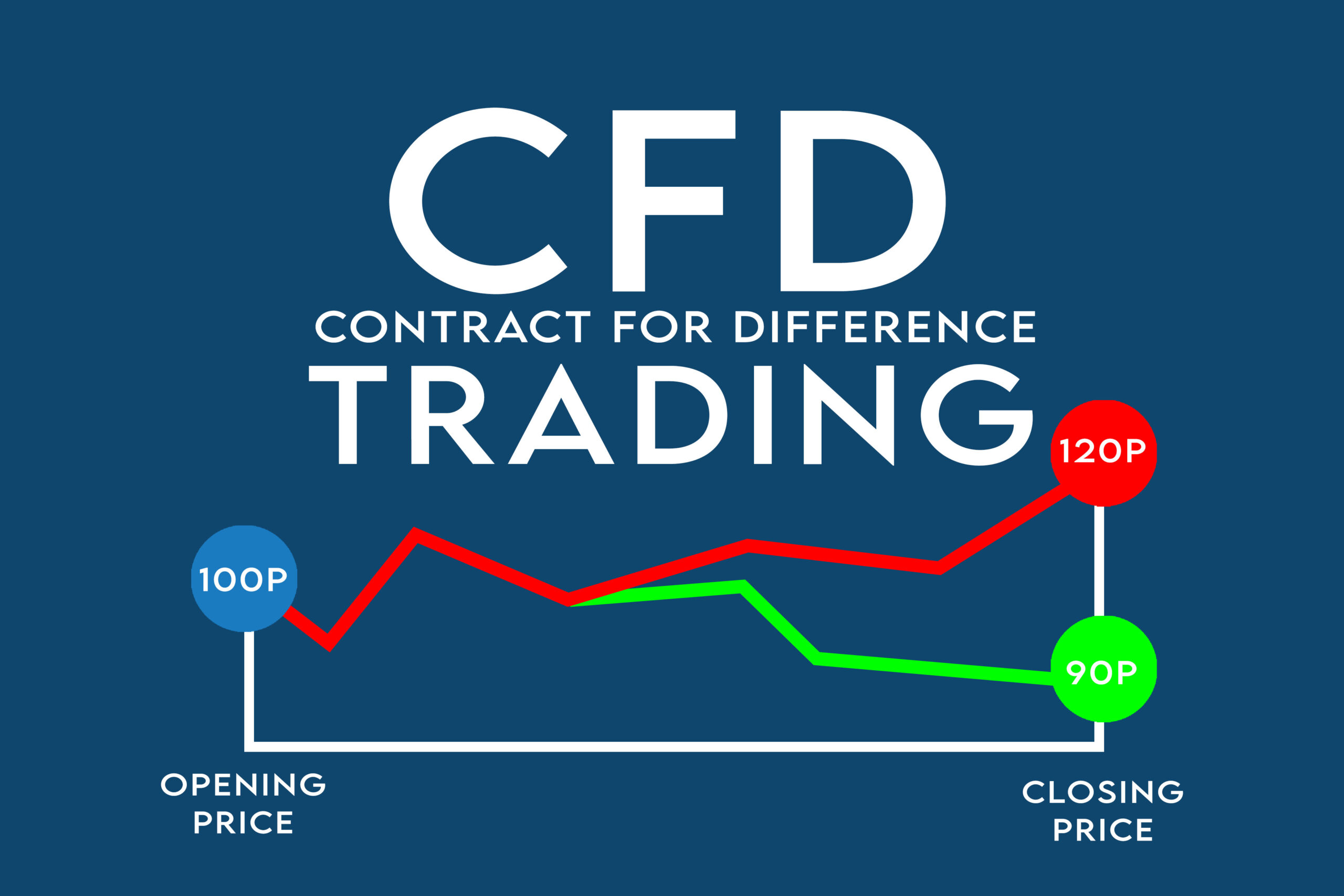
CFD trading allows individuals to speculate on the price movements of financial assets without owning the underlying asset. The trader enters into a contract with a broker to exchange the difference in price from the time the contract is opened to when it is closed. This is beneficial because traders can speculate on both rising and falling markets, giving them a level of flexibility. CFDs are popular for their leverage, which means traders can control larger positions with smaller amounts of capital. However, the leverage also increases potential risks, especially when dealing with volatile currency pairs in international markets. For a closer look at this, see Maximizing Your Potential with Malaysia Shares.
Currency pairs are fundamental in CFD trading as they determine the value of one currency against another. For example, the EUR/USD pair measures how many US dollars are needed to purchase one euro. When trading CFDs on currency pairs, the fluctuating exchange rates between these currencies can significantly impact the outcome of a trade. Understanding how these fluctuations occur is essential for success in international CFD trading. Check out adss.com for more info.
The Relationship Between Currency Fluctuations and CFD Trading
Currency fluctuations play a pivotal role in CFD trading, particularly in forex markets. Unlike stocks or commodities, where the value is influenced by corporate performance or supply and demand, currency values are affected by a wide range of macroeconomic factors, including interest rates, inflation, and political stability. These fluctuations can impact traders’ profitability. When the value of a currency moves in a favourable direction, traders can realize profits, while unfavourable movements can lead to significant losses.
In CFD trading, currency fluctuations are even more critical due to leverage. A small change in the exchange rate of a currency pair can result in substantial profit or loss, depending on the size of the position. Furthermore, with international CFD trading, currencies from different countries are involved, meaning that fluctuations in one currency can have a ripple effect on others. Understanding these dynamics helps traders develop strategies to navigate the risks associated with currency volatility.
Key Factors Influencing Currency Fluctuations
Several factors drive currency fluctuations in international markets. The most significant of these are economic indicators, political events, and market sentiment. Economic factors such as interest rates, inflation, and GDP growth influence the strength of a country’s currency. For example, when a country’s central bank raises interest rates, its currency generally strengthens because higher rates attract foreign capital seeking higher returns. Similarly, inflation rates can erode the purchasing power of a currency, causing it to weaken against others.
Political events also play a crucial role in determining currency values. Elections, changes in government policies, and geopolitical tensions can create uncertainty, leading to volatile movements in currency markets. When investors perceive a country to be unstable, they may move their capital elsewhere, causing a decrease in demand for that country’s currency.
Risk Management: Hedging Currency Fluctuations
Managing risk is an essential part of any trading strategy, especially in CFD trading, where leverage can amplify both gains and losses. Currency fluctuations are often unpredictable, making it vital for traders to implement risk management strategies to protect their positions. One of the most effective ways to hedge against currency fluctuations is through the use of financial instruments such as options or futures contracts. These instruments allow traders to lock in a future price for a currency, reducing their exposure to potential adverse movements.
Stop-loss orders are another key tool in managing currency risk. A stop-loss is an order placed with a broker to automatically close a position at a predetermined price level to limit losses. By setting stop-loss orders, traders can manage the amount of risk they are willing to take on a particular trade. Similarly, employing trailing stops—dynamic stop orders that adjust with price movements—allows traders to lock in profits while protecting against sudden reversals.
Conclusion
Currency fluctuations are a vital component of international CFD trading. Understanding the factors that influence currency values, developing effective trading strategies, and employing proper risk management techniques are essential for any trader looking to succeed in this dynamic market. By combining knowledge of both technical and fundamental analysis, traders can better navigate the complexities of currency markets, turning potential challenges into profitable opportunities.
Apart from that, if you want to know about Expertly Branded: Quality Merchandise to Represent Your Business then please visit our Marketing Category.