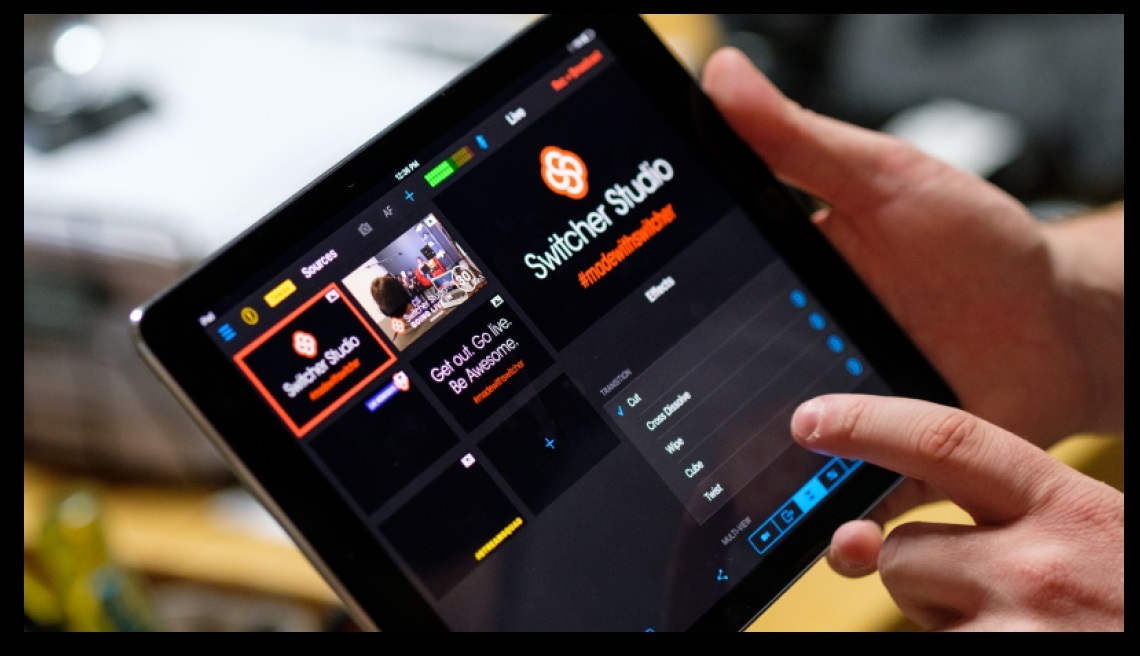
In recent years, live streaming has transformed from a niche trend into a global phenomenon, shaping how we consume entertainment, news, and education and how businesses connect with their audiences. Platforms like Twitch, YouTube Live, and Instagram Live have shown how powerful live streaming can be in creating real-time connections.
Why Are Live Streaming Apps So Popular?
The growing popularity of live-streaming apps can be attributed to several key factors. First, they provide real-time engagement, allowing users to interact with the content creator and other viewers as events unfold. This instant communication fosters community and personal connection, immersing the experience. The accessibility of live-streaming apps has also played a significant role in their success. With a smartphone and an internet connection, anyone can create or consume live content, making it an open platform for creativity and expression.
Another major draw is the diverse range of content that live-streaming apps offer. Whether it’s gaming sessions, live concerts, fitness tutorials, or educational lectures, there’s something for every type of audience. The format caters to a broad range of interests, ensuring users can find content tailored to their preferences. Additionally, live streaming provides lucrative monetization opportunities for content creators. Streamers can earn substantial revenue through ad placements, virtual tipping, subscriptions, and brand collaborations, making live streaming a full-time profession for many.
Key Features of a Live Streaming App
To build a successful live-streaming platform, it’s essential to incorporate several key features. The first is user registration and profiles. A well-structured registration system enables users to create personalized profiles to manage their preferences, stream history, and account settings. User profiles also serve as a public showcase for creators, helping them build their brand and connect with their audience on a deeper level.
At the heart of any live streaming app is real-time streaming capability. This feature allows users to broadcast video content live to an audience in real time. A seamless streaming experience, with minimal buffering and delays, is critical to retaining viewers and ensuring a high-quality user experience. In addition, live chat functionality is vital for engaging viewers during a stream. This enables two-way communication between the audience and the streamer, allowing for more interactive and engaging sessions.
Push notifications should be integrated into the app to ensure users never miss content they care about. This feature informs users when their favorite streamers go live, or new content is available, helping keep them engaged. Furthermore, monetization tools such as virtual gifts, in-app purchases, and advertising revenue streams are essential for creators who want to make a living from their live-streaming content. Including analytics, which provides insights into user behavior, engagement, and viewership, can help content creators refine their approach to maximize success.
Finally, the ability to share streams across platforms through social sharing helps amplify content visibility and attract a larger audience. Recording and playback options should also be included to allow users to rewatch past streams or catch up on content they missed. This feature ensures that even when a live session is over, it can continue to generate views and engagement.
Steps for Live Streaming App Development
The process of live streaming app development involves several stages that need to be executed meticulously for a successful outcome. First, begin with market research and planning. Understanding the needs of your target audience and studying the competitive landscape is crucial. Research popular platforms and identify gaps in the market that your app could address. For example, you may notice that a specific type of content, such as sports commentary or cooking tutorials, is underserved in the live streaming space. With this knowledge, you can define your app’s unique value proposition and design features that cater to those needs.
The next steps in live-streaming app development are once you’ve planned the concept, design, and prototyping . This phase outlines the design of the user experience (UX) and interface (UI). You aim to create an intuitive, visually appealing app that makes it easy for users to navigate, stream, and engage with content. Using design tools, you can develop wireframes and mockups that showcase the app’s layout and functionality, ensuring every user interaction is seamless and satisfying.
Read More: Using Video Marketing to Narrate Your Brand
The next phase is backend development. A robust backend infrastructure is crucial for video streaming, data storage, and user management. This stage includes building the streaming server, ensuring low-latency streaming capabilities, and integrating video processing tools. Depending on your requirements, you may need to partner with third-party services for cloud storage, content delivery networks (CDNs), and live encoding to maintain high performance. Frontend development, meanwhile, focuses on the interface users interact with, ensuring a responsive and smooth app experience across multiple devices.
Testing and Launch
Once the development phase is complete, testing is the next critical stage in live streaming app development . It is essential to thoroughly test every app feature under various scenarios, from the registration process to live chat functionality. Load testing ensures the app can handle many users during peak times without crashing. Fix any bugs, glitches, or UX issues discovered during testing to provide the best possible experience for users.
Finally, it’s time for the launch. A successful launch involves making the app available in app stores and marketing it effectively. Create a buzz around your app through social media campaigns, influencer partnerships, and press releases to attract your initial user base. Engage early adopters and encourage feedback to help refine the app post-launch.
Conclusion
The live-streaming industry is booming, with increasing demand for real-time content and interactive experiences. By understanding market trends and following the steps of live streaming app development, you can create a feature-rich, user-friendly platform that captivates audiences and provides content creators with the tools they need to succeed. Through thoughtful planning, skilled development, and ongoing innovation, your live streaming app has the potential to become the next big thing in digital content delivery.
Apart from that if you want to know about “Factors To Consider When Choosing The Best Seo Marketing Company” then please visit our “Digital Marketing” Category.