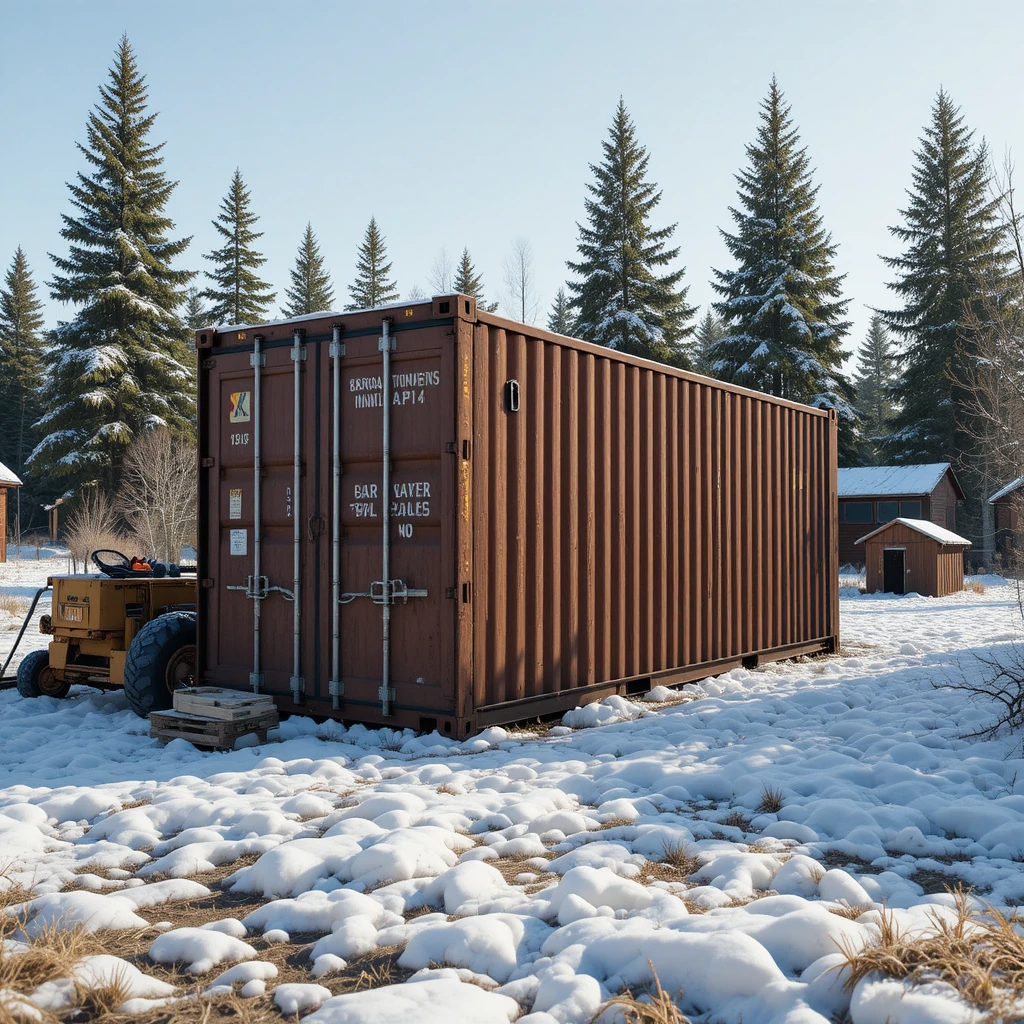
Sea cans are a familiar sight across Canada, from construction sites to rural properties and industrial yards. While the term is informal, it reflects how deeply shipping containers have been adopted for domestic use beyond global freight. Understanding what sea cans are, how they perform in Canadian conditions, and where buyers often misjudge value is essential before committing to a purchase.
This article breaks down how sea can function in real-world settings and what matters most when selecting one for long-term use.
What Is a Sea Can?
A sea can is a standard intermodal shipping container originally designed for ocean transport. In Canada, the term is commonly used interchangeably with shipping container, particularly in construction, agriculture, and storage contexts.
Most sea cans are built from corten steel and engineered to withstand stacking, heavy loads, and harsh marine environments. These characteristics make them appealing for non-transport uses, but suitability depends on condition and placement.
Common Uses Across Canada
Sea cans are used in a wide range of applications, often driven by practicality rather than aesthetics.
- Secure storage for tools, materials, and equipment
- Seasonal storage for agricultural and recreational use
- Temporary structures on construction and infrastructure projects
- Base units for modified or modular builds
In colder regions, buyers often prioritize weather resistance and door functionality over cosmetic appearance.
How Canadian Climate Affects Performance
Canada’s climate presents challenges that are less pronounced in milder regions. Freeze-thaw cycles, snow accumulation, and ground movement all influence how a sea can perform over time.
Condensation and Ventilation
Condensation is one of the most common issues reported by container owners. Temperature differences between interior air and steel walls can lead to moisture buildup if ventilation is insufficient.
Ground Preparation
Improper leveling or unsupported placement can cause twisting, which affects door alignment. Even structurally sound units may become difficult to open if installed on uneven ground.
Understanding Condition and Prior Use
Sea cans sold in Canada typically fall into broad condition categories rather than precise manufacturing years. Buyers should focus on functional criteria. Also worth reading: A Practical Visibility Plan for Lean Manufacturers and Startups.
- Door operation and gasket integrity
- Floor condition and signs of contamination
- Structural dents that affect stacking or modification
- Surface corrosion versus structural rust
Reviewing options from a neutral shipping container supplier can help clarify how condition impacts pricing and suitability.
Buyers Cost Drivers Often Overlook
The listed price of a sea can is only part of the total cost. Buyers frequently underestimate logistics-related expenses.
Transportation Distance
Sea cans are heavy and require specialized delivery. Distance from depots or ports directly affects final cost.
Access Constraints
Narrow roads, soft ground, or limited clearance may require alternative unloading methods, increasing delivery complexity.
Regulatory and Zoning Awareness
While sea cans are often considered temporary structures, local regulations may still apply. Municipal zoning rules can restrict placement, duration, or permitted uses, particularly in residential areas.
Buyers planning long-term installations should confirm local requirements before purchasing.
Selecting the Right Size and Configuration
Most buyers choose between 20-foot and 40-foot containers, but interior height and door configuration can be just as important.
Understanding available container sizes and types helps ensure the unit fits both the site and intended use without unnecessary modification.
When a Sea Can May Not Be the Best Option
Sea cans are not ideal for every scenario. Projects requiring insulation, frequent human occupancy, or strict building-code compliance may require additional investment or alternative solutions.
Evaluating these constraints early prevents mismatched expectations and avoidable costs when sourcing shipping containers Canada.
Frequently Asked Questions
Yes, provided they are properly ventilated, elevated, and maintained.
Permit requirements depend on the municipality, duration of use, and whether modifications are made.
They can be moved, though repeated relocation increases handling and delivery costs.
Surface rust is common and usually cosmetic, while structural corrosion is less common and more serious.