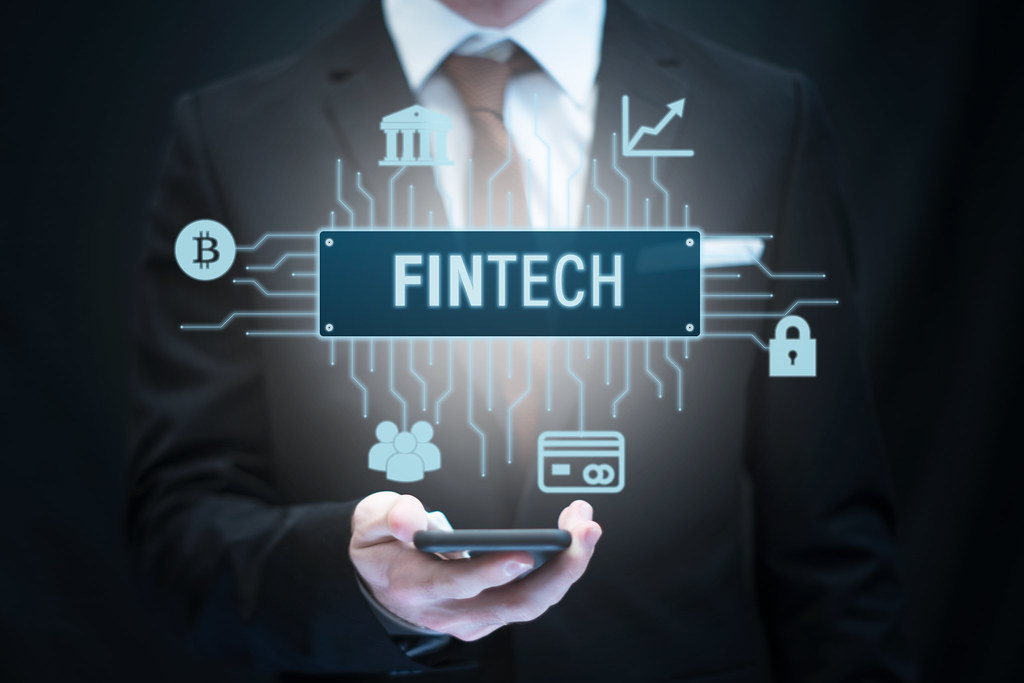
The Fintech Boom: More Than Just Apps
Fintech — short for financial technology — is changing the way we save, invest, borrow, and manage money. From budgeting apps to robo-advisors and peer-to-peer lending platforms, fintech tools are democratizing access to financial services and shifting power away from traditional banks.
What began as a niche for startups is now a global industry worth trillion, touching everything from mobile payments and insurance to stock trading and crypto investing. For consumers, fintech means more control, choice, and greater financial literacy. For institutions, it means competition, disruption, and adaptation.
Mobile-First Finance: Convenience Over Complexity
At the heart of fintech’s rise is the smartphone. Apps like Venmo, Revolut, and Robinhood have put financial tools in the pockets of millions. These platforms remove barriers such as high fees, paperwork, and the need for physical branches. With just a few taps, users can transfer funds, buy stocks, track spending, or apply for a loan.
Fintech prioritizes user experience — offering intuitive, clean interfaces that make financial decisions easier to understand and execute. This mobile-first mindset has also proven essential during the COVID-19 pandemic, where digital access became a necessity.
Personal Finance, Powered by Algorithms
AI and automation are central to the fintech revolution. Robo-advisors like Betterment and Wealth front use algorithms to manage investment portfolios based on user risk tolerance and goals. These services are typically cheaper than traditional financial advisors and cater to younger, tech-savvy investors.
Budgeting and expense-tracking apps like Mint or YNAB (You Need A Budget) help users understand spending patterns, create saving goals, and avoid debt traps. AI even powers chatbots that offer 24/7 customer service or analyze spending behavior to suggest better financial habits.
By combining automation with personalization, fintech makes it easier to take control of your money — without needing a degree in economics.
Fintech in Lending: Breaking the Bank’s Monopoly
Fintech lending platforms have disrupted the credit market by offering faster, more inclusive borrowing options. Services like Lending Club and Upstart assess creditworthiness using alternative data — such as education level, income streams, or employment history — rather than traditional credit scores alone.
This has opened the door for underbanked populations to access capital, often at lower rates and with faster approval. Buy-now-pay-later (BNPL) platforms like Klarna and Afterpay have also grown rapidly, giving consumers more flexibility at checkout without relying on credit cards.
However, this rapid growth also invites regulatory scrutiny over responsible lending practices, data privacy, and transparency.
The Crypto-Fintech Crossover
Cryptocurrencies and blockchain are increasingly part of the fintech conversation. Apps like Coinbase, MetaMask, and Strike allow users to interact with crypto markets, send remittances, or even earn yield on digital assets.
Decentralized finance (DeFi) — often considered a subset of fintech — removes the need for middlemen altogether. It lets users lend, borrow, trade, and earn interest directly through blockchain-based protocols. While still in its early stages, the crypto-fintech crossover is shaping a new generation of financial infrastructure.
As adoption grows, SEO optimization is becoming a key tool for both users and platforms to stay visible and informed in the fast-moving crypto-fintech space.
Risks and Regulation: The Other Side of Disruption
While fintech brings undeniable benefits, it also introduces new risks:
- Data security – More apps mean more potential for breaches.
- Overdependence on tech – System outages or bugs can leave users locked out of their finances.
- Regulatory gray areas – Many fintech innovations move faster than lawmakers can react.
Governments and financial regulators are working to catch up. In the EU, PSD2 legislation pushes open banking forward. In the U.S., agencies are exploring how to regulate crypto-lending platforms, stablecoins, and robo-advisors.
Smart fintech companies now integrate compliance early into their models, and SEO optimization is also used to increase transparency and improve user education — a subtle but effective way to build trust.
How SEO Optimization Supports Fintech Growth
In a saturated market, fintech companies rely heavily on SEO optimization to attract and retain users. Whether it’s educational blog content, YouTube tutorials, or landing pages that explain product features, search engine visibility can determine whether a platform sinks or scales.
For users, SEO-optimized content makes it easier to compare services, understand financial products, and make informed decisions. In this sense, SEO plays a role not just in marketing — but in shaping the user journey toward better financial outcomes.
Fintech Is Not the Future — It’s the Present
Fintech has already transformed how we manage money, invest, and access financial services. From budgeting apps and robo-advisors to crypto wallets and lending platforms, the tools are here — and they’re getting smarter every day.
As fintech continues to evolve, too will the ways we interact with our finances. For consumers, this means greater control and empowerment. For businesses, it means innovation or obsolescence. And for everyone, SEO optimization ensures that the most useful and trustworthy tools rise to the top — where they can do the best.